We use AI to keep our records accurate and our office fast. It matches job, billing, and cost information across the business, flags errors before they reach an invoice, and helps draft articles like this one. It does not design systems, diagnose equipment, or set prices. Licensed people do that work, and they sign their names to it.
Why a mechanical contractor cares about accuracy
Commercial mechanical work produces a lot of paper. There is job costing across trades, change orders, pay applications, service tickets, preventive maintenance records, and payroll across three branches. On a large job, one miscoded cost can hide a margin problem for months. On a service account, one mismatched invoice costs a customer an afternoon on the phone.
Keeping that paperwork accurate is not a back-office nicety. It is what lets a project manager tell you where your job actually stands, and it is what lets your accounts payable team trust the invoice we send.
Where AI helps
- Keeping cost and billing information consistent across jobs and branches
- Flagging mismatches between a quote, a cost entry, an invoice, or a payment so a person can resolve them
- Checking the numbers before routine accounting work goes final
- Researching and drafting the articles on this blog
The common thread is catching mistakes early. An error found in the office costs minutes. An error found by your accounting department costs a phone call, a credit memo, and some of your confidence in us.
Where people stay in charge
- Engineering and design. Equipment selection, system design, and code compliance are decisions for experienced people who know the building.
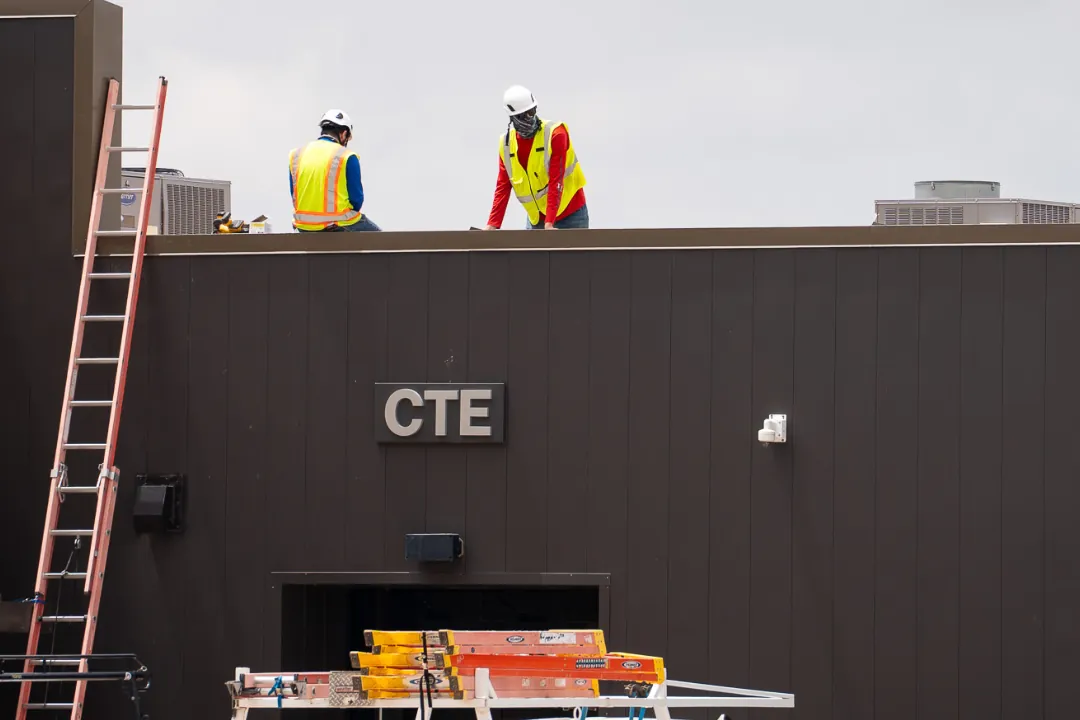
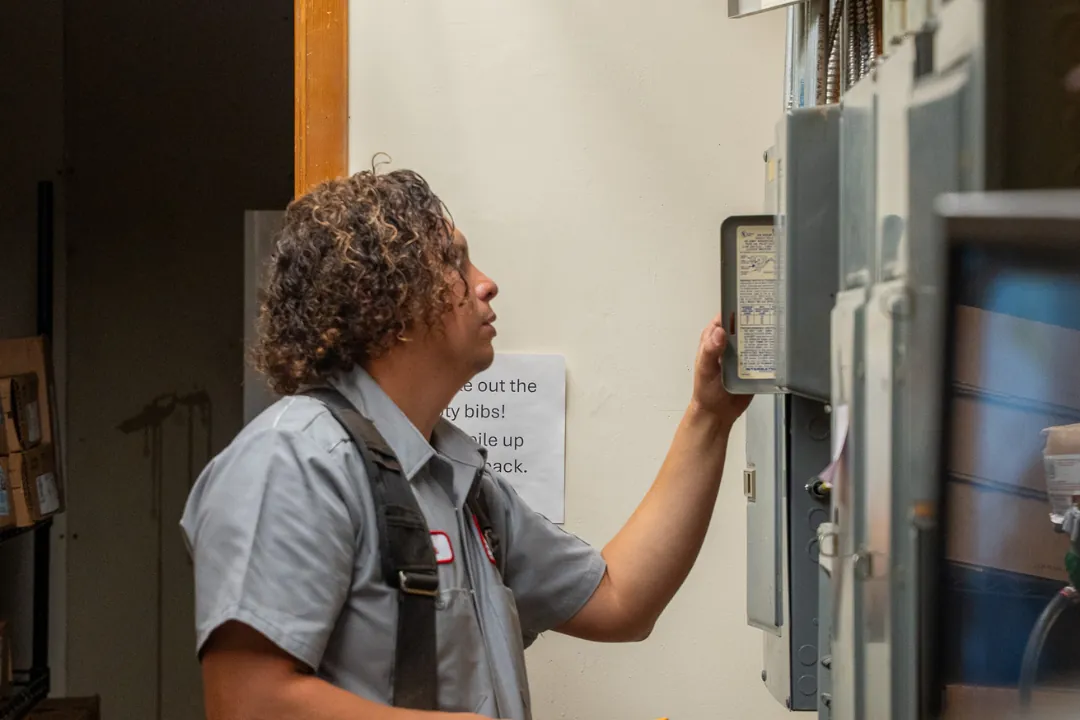
- Diagnosis in the field. Technicians find the fault on the roof, in the mechanical room, or at the panel. Software does not.
- Pricing and proposals. Every number in a proposal comes from an estimator or project manager who has looked at the scope.
- Anything that changes your bill. A person reviews it.
Four questions to ask any contractor about AI: What does it do? What does it not do? Who reviews its work? And what happens to your building’s information? A contractor who can answer all four plainly has thought it through. One who cannot has not.
What we will not publish
We will not publish which platforms we use, how they connect, or how access to them is controlled. We work in hospitals, school districts, and university central plants. For customers like that, a contractor that publishes a map of its own systems is not being transparent. It is being careless.
What we will say is this: the tools serve the work. They do not replace the licensed people responsible for it, and they do not change who you call when something is wrong.
How this blog is written
AI helps us research and draft these articles. The technical facts come from sources we can name, such as manufacturer guidance, federal efficiency and refrigerant rules, and industry standards. The judgment in them comes from the crews doing the work in Abilene, Lubbock, and Dallas. If you ever find something wrong on these pages, tell us and we will correct it.
Talk to a person
If you want to talk through a building, a maintenance program, or a project, send the details and a coordinator will get back to you. If something is down right now, calling is faster. Here is how our preventive maintenance and commercial HVAC work is set up.